If your lawn is starting to look uneven, patchy, or just “off,” there’s a good chance grassy weeds are to blame. Unlike broadleaf weeds that stand out with wide leaves and flowers, grassy weeds blend right into your turf, making them harder to identify and even harder to eliminate without the right approach.
At The Lawn & Sprinkler Guys, we see this all the time. Homeowners think their lawn just needs fertilizer, when in reality, grassy weeds are quietly taking over. Let’s break down what grassy weeds are, the most common types, and how to control them effectively.
What Are Grassy Weeds?
Grassy weeds are invasive grass-like plants that compete directly with your desirable turfgrass. Because they look similar to your lawn, they often go unnoticed until they’ve spread aggressively.
They:
- Grow faster than your lawn
- Compete for water, nutrients, and sunlight
- Thrive in stressed or thin turf
- Spread quickly through seeds or underground stems
The challenge? Many grassy weeds require different treatments than broadleaf weeds, meaning a one-size-fits-all approach won’t work.
Common Grassy Weeds You Might See:
Annual Grassy Weeds (Complete Their Life Cycle in One Season)
- Crabgrass – Digitaria sanguinalis, Digitaria ischaemum
- Goosegrass – Eleusine indica
- Annual Bluegrass – Poa Annua
- Barnyardgrass – Echinochloa crus-galli
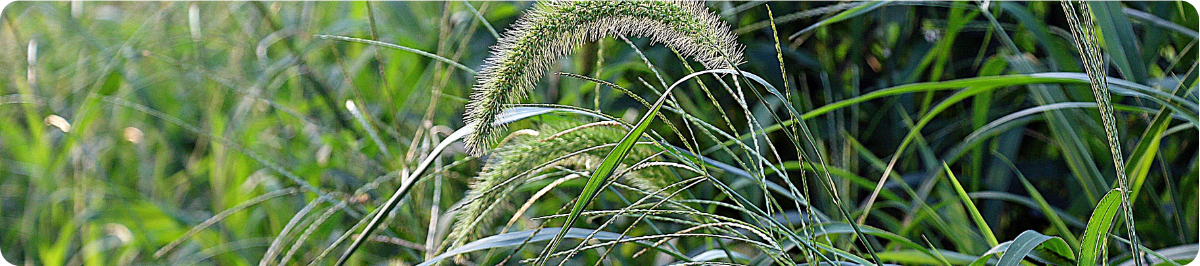
- Foxtail (Yellow, Green, Giant) – Setaria viridis, Setaria pumila, Setaria faberi
- Japanese Stiltgrass – Microstegium vimineum
Perennial Grassy Weeds (Return Year After Year)
- Quackgrass – Elymus repens
- Dallisgrass – Paspalum dilatatum
- Bermudagrass (as a weed in cool-season lawns) – Cynodon dactylon
- Johnsongrass – Sorghum halepense
- Nimblewill – Muhlenbergia schreberi
- Bentgrass (Creeping Bentgrass as a weed) – Agrostis stolonifera
- Tall Fescue (Clumping / Undesirable Type) – Festuca arundinacea
Grass-Like Weeds (Often Mistaken for Grassy Weeds)
(Not true grasses, but behave similarly and are commonly grouped in lawn care)
- Yellow Nutsedge – Cyperus esculentus
- Purple Nutsedge – Cyperus rotundus
- Kyllinga (Green/False Green Kyllinga) – Kyllinga brevifolia
Why Grassy Weeds Take Over
Grassy weeds aren’t just bad luck, they’re usually a sign of underlying lawn conditions.
The most common causes we see:
- Thin turf (from poor seeding or lack of care)
- Soil compaction (limits root growth)
- Improper watering (too much or too little)
- Incorrect mowing height
- Lack of pre-emergent weed control
In short: a stressed lawn is an open invitation for grassy weeds.
How to Control Grassy Weeds
1. Prevention First (This Is Critical)
The most effective control strategy is stopping weeds before they germinate.
- Apply pre-emergent treatments in early spring and fall
- Time applications based on soil temperature—not just the calendar
This is especially important for crabgrass and annual bluegrass.
2. Targeted Post-Emergent Treatments
Once grassy weeds appear, control becomes more complex.
- Not all products will kill grassy weeds without harming your lawn
- Some weeds (like nutsedge) require specialty treatments
- Perennials like quackgrass may need multiple applications or renovation
- Not all “grassy weeds” can be treated the same way:
- Annuals → controlled with pre-emergents
- Perennials → require targeted post-emergent or renovation
- Grass-like weeds (sedges) → need specialty products
Misidentification is one of the biggest reasons DIY treatments fail. This is where professional treatment makes a big difference.
3. Strengthen Your Lawn
The best long-term defense is a thick, healthy lawn.
- Core aeration to relieve compaction
- Overseeding to fill in thin areas
- Balanced fertilization for consistent growth
- Proper irrigation to avoid stress conditions
A dense lawn naturally crowds out weeds before they can establish.
The Bottom Line
Grassy weeds are some of the toughest lawn challenges because they hide in plain sight and compete directly with your turf. But with the right combination of prevention, targeted treatment, and strong lawn care practices, they can be controlled—and even eliminated over time.
At The Lawn & Sprinkler Guys, we take a proactive, seasonally timed approach to weed control and lawn health. We don’t just treat what you see—we address the root cause so your lawn stays thick, healthy, and weed-resistant all year long.
Need Help Identifying or Controlling Grassy Weeds?
If your lawn isn’t looking its best and you’re not sure why, we’re here to help. Our team can identify exactly what’s growing in your yard and build a treatment plan tailored to your lawn’s specific needs.
Call us today or request a consultation—and let’s get your lawn back on track.